

The Sometimes-Insidious Influence of Guilt
Guilt can be a somewhat uncomfortable emotion to sit with, so it’s no wonder we sometimes try to avoid it.
At times this might be deliberate, where we divert our attention or place the blame somewhere else. At others, it can be quite unconscious. We can be avoiding guilt and remain unaware of the impact it’s having on us, while still landing in a place of reactivity and deflection.
Potentially costing us our self-worth and our relationships.
But guilt isn’t always the problem. Sometimes it’s what we do with it, what we believe it says about us, and whether we stop long enough to work out where it’s coming from.
My latest Deconstructing Influence explores the sometimes-insidious influence of guilt, and how we might learn to assess it rather than simply digest it.
Who legitimises influence? And what compromises our capacity for discernment.
With everyone vying to influence us, in business, lifestyle, relationships and how we show up in the world, are we asking ourselves: is this really aligned with who I am and want to be, and is it sustainable? Could it cost me later?
This article explores what can compromise our capacity for discernment, how influence can acquire legitimacy without us necessarily noticing, and why creating space to question what feels “normal” may matter.
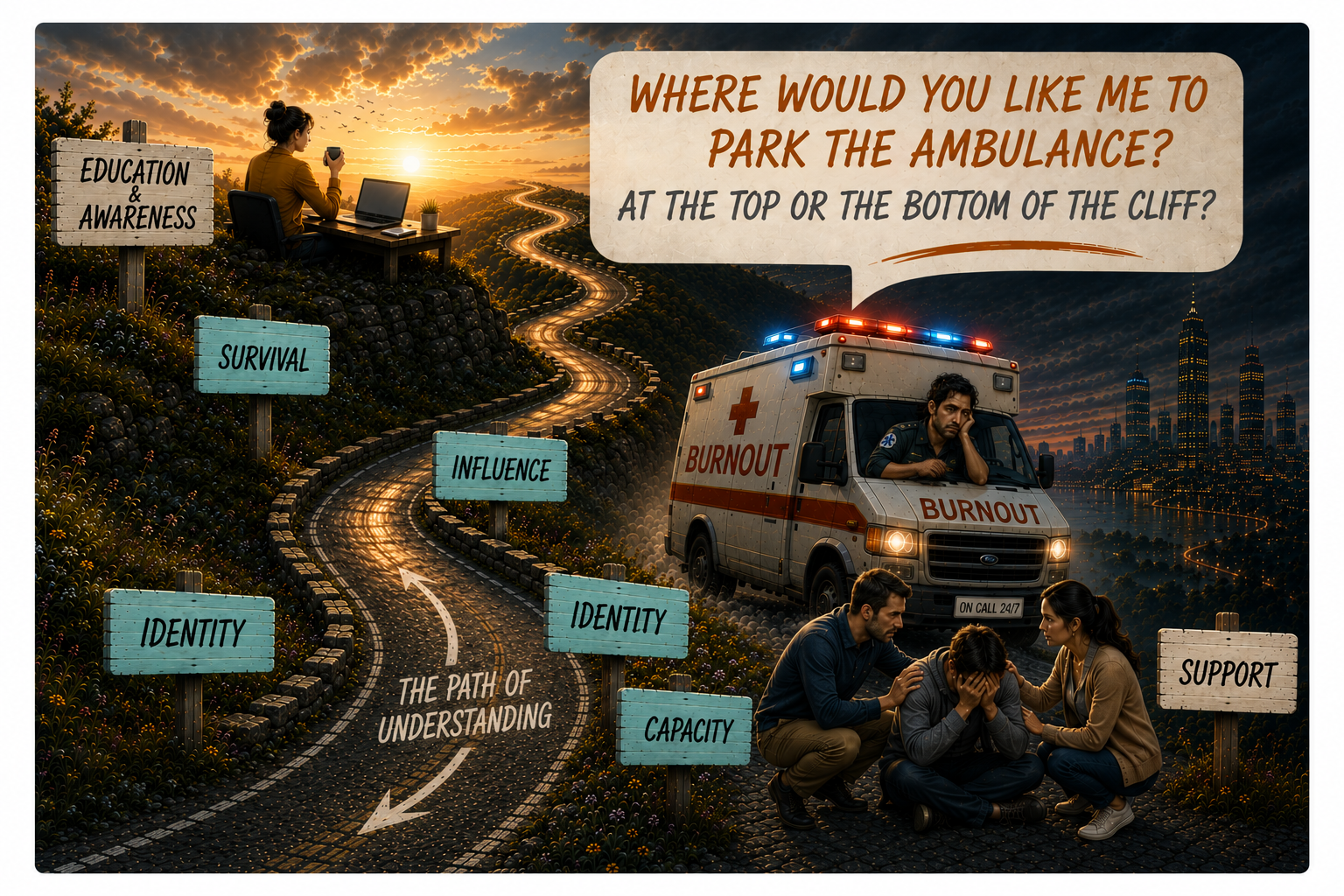
Do We Put the Ambulance at the Top or Bottom of the Cliff? Burnout’s Missing Pieces
We’ve been talking about burnout for nearly 50 years, yet people seem to be burning out not just at work now, but also with parenting, self-care, fitness and even daily life. There’s a creeping sense of “I’m just over it” or, as my teenage stepdaughter is fond of saying, “CEBBS”: can’t even be bothered. So, what might we be missing, and what can we do about it?
Why AI Feels Easier Than People - Understanding emotional availability, self-protection, and sustainable connection
With AI becoming a broader part of our professional and social landscape, taking time to reflect on how it could affect our expectations and place pressure on our real-life relationships is a conversation worth having. Exploring emotional availability, self-protection, vulnerability, and the subtle influences that can affect human relationships, this article reflects on how AI could impact our connections and compassion for others.
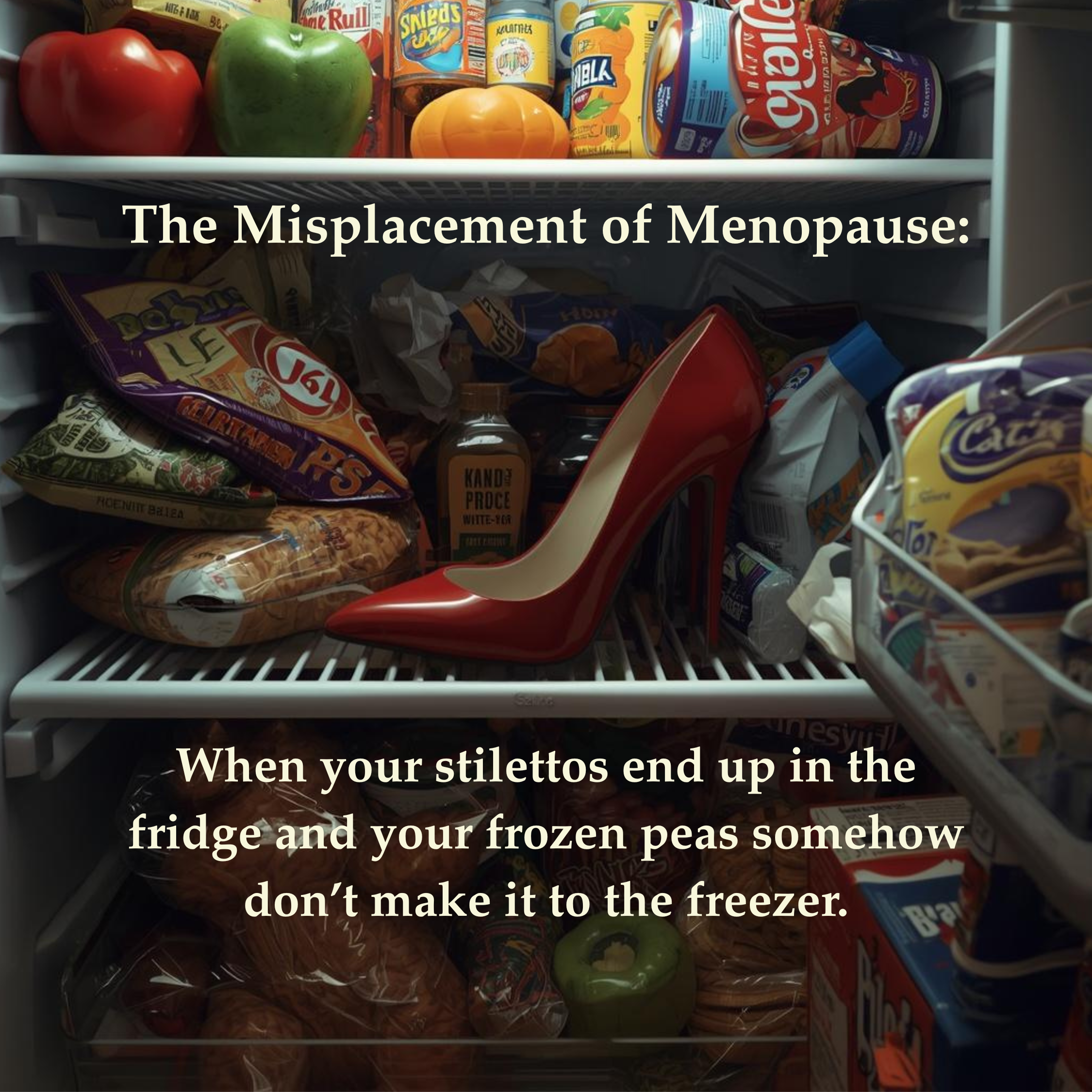
Why are my frozen peas in the salad drawer - The Mayhem of Menopause
Frozen peas in the fridge, disappearing words mid-session, and rage directed at a dachshund who thinks the dining room is a toilet. Menopause can feel disorienting, frustrating, and emotionally overwhelming in ways many women were never prepared for. This article explores the psychological impact of menopause, the importance of keeping the conversation visible, and why developing sustainable ways to support ourselves through major life transitions can help ground us whilst our inner world is spinning.

3 Things Quick Fix Advice Forgets
Why are people seeking quick advice for complex problems? With so many top tips and 10 steps to fix your life now out there, its important to check-in and see why we are seeking simple solutions to sometimes complex issues, and why we need to be careful to not inadvertently place ourselves under pressure to gain outcomes that might not be possible. Looking at when our cognitive and emotional bandwidth is stretched, this article helps us understand why we naturally incline towards simple, quick fixes. But complex lives rarely respond to simple answers.
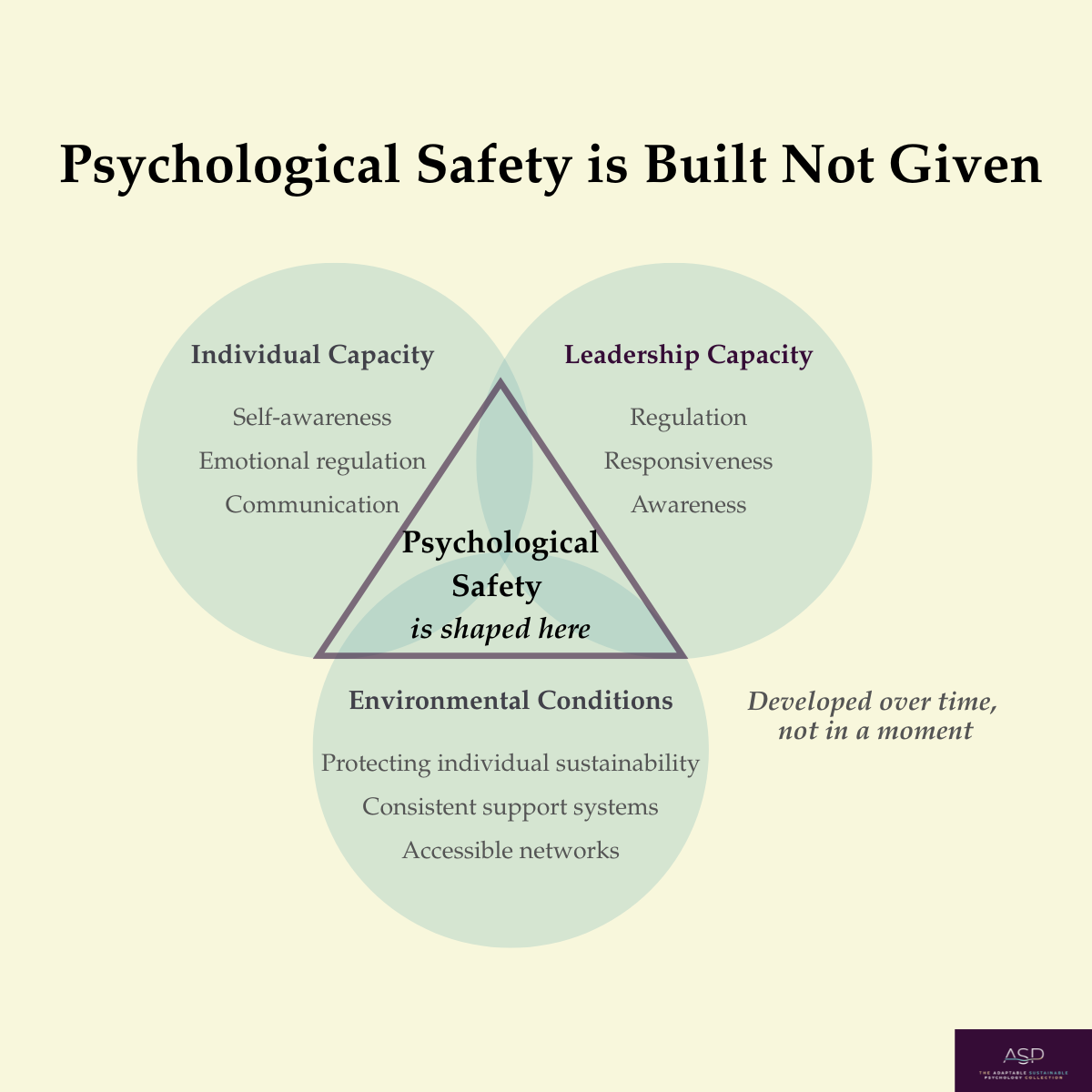
Psychological safety — why systems and statements alone are not enough
Psychological safety is often treated as something organisations can build through systems. In practice, it emerges through the interaction between leadership, individual capacity, and organisational structures. Paying insufficient to one aspect affects the whole experience.

The Energy Economy of Influence: Stress, Burnout and Sustainable Credibility
The attention economy rewards constant visibility, but influence also runs on energy. This article explores how burnout, cognitive fatigue, and digital pressure shape credibility, creativity, and sustainable leadership. Human beings are not infinite creatures, we have limits and balance isn’t just a clever wellness post, it is a requirement for our physical and mental wellbeing.

A Letter to My Younger Self: Reflecting Beyond Performance, Comparison, and Perfection
I was asked what I would tell my younger, professional self as a psychologist after being in the mental health industry for 30 years. I am not convinced my younger self would have heeded much of this, but it was interesting to see how much I have learned over the years, changed to balance out my own care with that of others, and see where I might still be vulnerable to perfectionism, and comparison.

Psychological Influence, Media, and Mental Health Literacy
With constant access to stimulation, entertainment, education, and the experiences of others, it is important to understand the subtle influence that media and comparison culture can have on shaping our emotional responses to crisis moments long before they occur.
Developing our mental health literacy, and recognising why self-awareness is central to self-care, is now an important part of how we navigate, adapt to, and move through the modern world.

How Small Acts of Kindness Improve Mental Health and Connection in a Distracted World
In a demanding world, small acts of kindness can make a more meaningful difference than we often realise. This piece explores how everyday gestures of attention and care support both our own and other people's mental health, create connection, and strengthen our sense of shared humanity.