

About Amberley Meredith
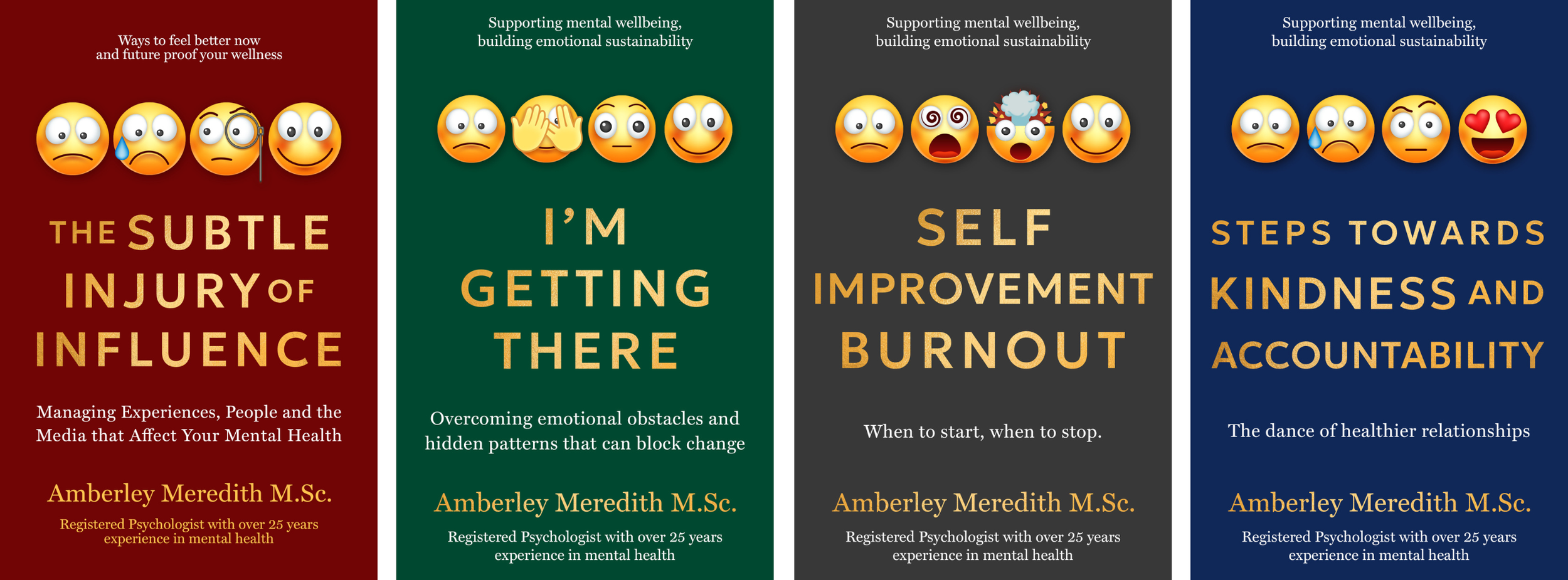
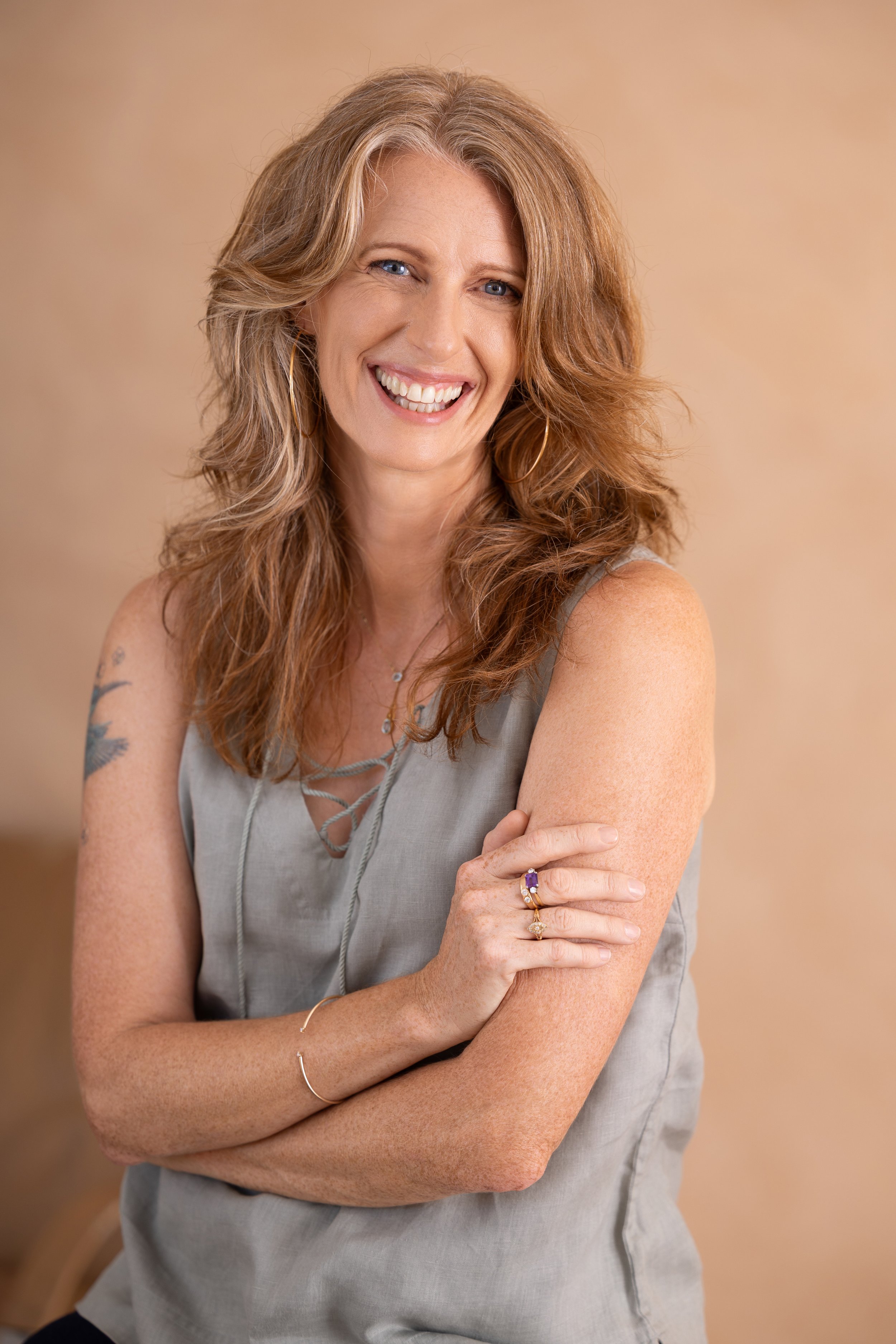
I’m Amberley Meredith, a registered psychologist, professional supervisor, and author of the Adaptable Sustainable Psychology book series.
My work explores how people make sense of themselves, their relationships, and the subtle pressures that shape our inner lives, offering thoughtful psychological perspectives without hype, judgment, or pressure to “fix” yourself. Supporting mental wellbeing and exploring emotional sustainability.
Why I write and do this work
Over more than 25 years in mental health, with thousands of hours spent in therapeutic conversations, I’ve learned as much about myself as I have about the people I’ve supported.
What has stayed with me is not just the importance of psychological knowledge, but the value of asking the right questions: noticing the subtle influences that shape how we see ourselves, listening to our inner world with compassion, and creating space for reflection without judgment.
I’ve come to appreciate how meaningful it can be to approach ourselves with curiosity rather than criticism and how often people are already doing their best within complex personal, relational, and social contexts.
What Adaptable Sustainable Psychology means
Adaptable Sustainable Psychology (ASP) grew out of my work with a diverse range of people, alongside my own journey of noticing patterns, influences, and the ways we try to stay grounded in our values and relationships.
ASP brings together psychological ideas, curiosity, and self-reflection.
It offers perspectives for those interested in exploring their inner world with greater gentleness and clarity, without striving for perfection or constant self-improvement.
Rather than prescribing answers, ASP invites reflection:
How do we relate to ourselves?
What pressures shape us?
What helps us care for our wellbeing in ways that are realistic and sustainable?
My intention
My hope is simple.
That my work invites people to:
explore their own questions
consider kinder inner narratives
engage thoughtfully with their sense of connection — to themselves and to the people who matter most
These books and my work as a psychologist and professional supervisor are not about quick fixes.
The are about understanding, perspective, and making space for thoughtful change.
Amberley Meredith M.Sc.
Professional background
My career in mental health began in 1995 as a volunteer at a UK-based drug and alcohol drop-in centre.
I later completed:
a Bachelor of Science in Psychology
a Master of Science in Health Psychology
For more than two decades, I have been a registered psychologist in both Australia and New Zealand, supporting individuals, couples, and groups across a wide range of settings.
My career has been built on direct, hands-on work with individuals navigating trauma, long-term medical conditions, and complex psychological challenges. Much of what I offer has been shaped through this work — not just through training, but through years of observing how people think, respond, and adapt in real-world situations.
I have extensive experience in clinical assessment, therapeutic intervention, and medico-legal reporting, having conducted hundreds of formal psychological assessments across both clinical and legal contexts.
Alongside my clinical work, I’ve held leadership and consultancy roles, working with service directors, health providers, and organisations to design and deliver psychologically informed programs. This has included developing service pathways within public health systems, supporting organisational and cultural change, and working directly with teams and leaders to support responses under pressure.
My experience also includes working within an acquired brain injury service in a leading children’s hospital, and being headhunted into a specialist eating disorder role with Hauora Tairāwhiti, where I contributed to the development of service pathways, protocols, and staff training, alongside regional coordination.
I’ve worked extensively within crisis and community services, including training and managing volunteers within telephone helpline environments such as Lifeline and Nightline. I’ve also been a preferred provider across multiple sectors, including regional sporting organisations such as Rugby New Zealand, and have delivered drug and alcohol assessment, education, and critical incident support within high-risk industries.
I’ve founded and led multiple successful practices and wellbeing organisations, including Triskelion Ltd in New Zealand and The Being Well Process in Australia. During this time, I designed and delivered one of the early trauma-informed retreat programs in New Zealand — contributing to ideas for models of care that are now widely recognised and adopted.
My work integrates insights from neuroscience, mindfulness, polyvagal theory, and trauma-informed practice, alongside evidence-based approaches including CBT, ACT, and emotion-focused therapies. These are not applied as isolated techniques, but translated into practical frameworks that support people to respond more effectively in real time.
I’m the creator of Adaptable Sustainable Psychology (ASP) — a framework developed from over 30 years of clinical work, study, and lived observation. It moves beyond insight alone, focusing on how people can consistently support themselves in real time, particularly under stress, pressure, or uncertainty.
I find great satisfaction in bringing together the micro of individual wellbeing, to the macro of leadership, and the broader systems that shape how people think, feel, and respond — in a way that is relatable and accessible.
Approach and scope
My approach is grounded in respect for individual experience and the value of self-reflection and self-compassion.
I believe in making psychological ideas accessible and relatable, drawing on evidence-based practices while avoiding oversimplification.
The Adaptable Sustainable Psychology books are intended as general psychological education and reflection.
They are not a substitute for individual therapy or professional psychological care.
About the books
The Adaptable Sustainable Psychology books bring these ideas together in written form — offering space to reflect, question, and engage at your own pace.
If you’re curious, you’re welcome to:
explore the full collection
or read a free sample to see if the tone and approach resonate