
The ASP Collection
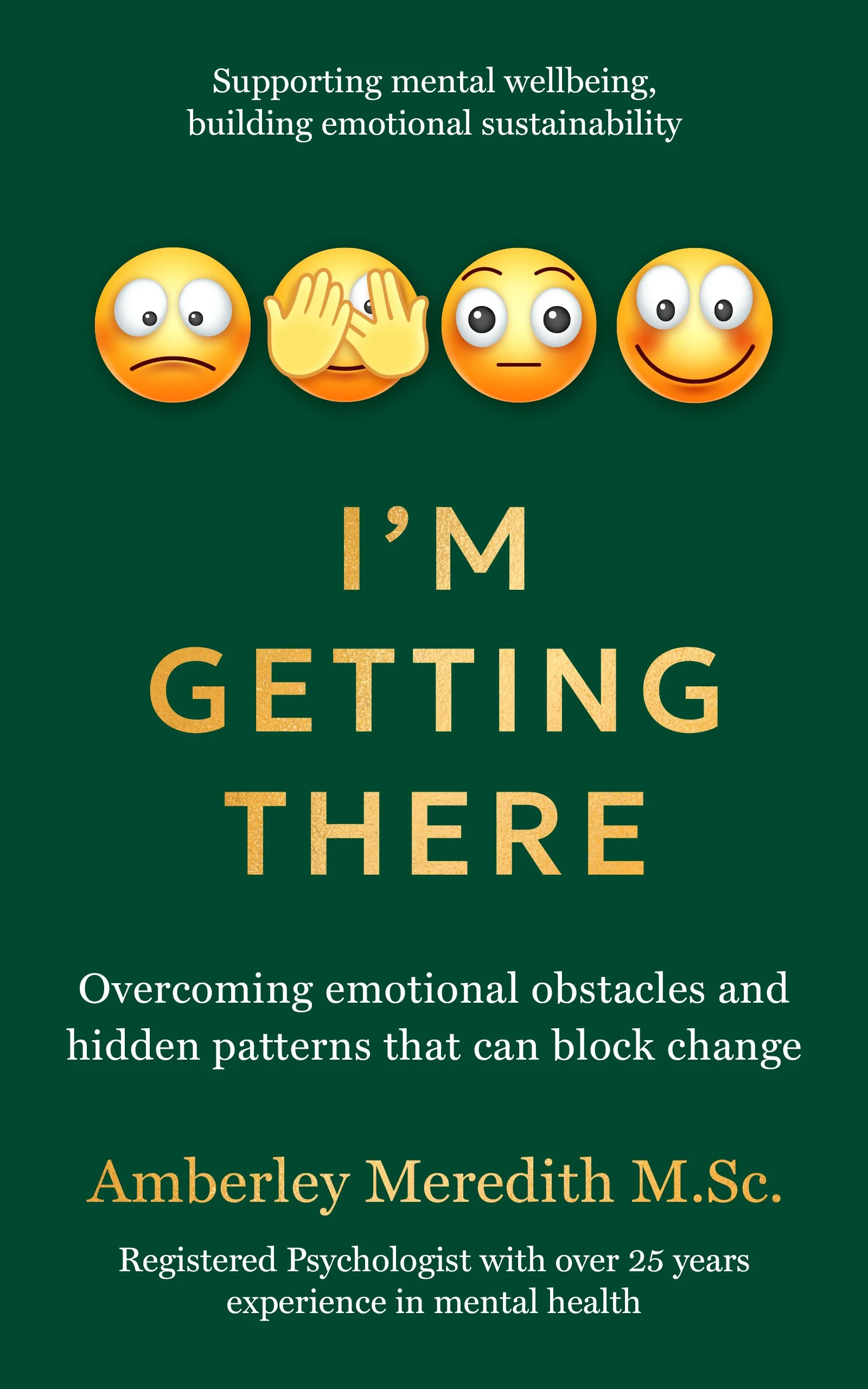
Book 2: I’m Getting There
Overcoming emotional obstacles and hidden patterns that can block change
I’m Getting There travels deeper into the process of compassionate change, identifying and learning about human cognitive processes that can hinder you or be used to help in building our self-awareness to gently challenge unhelpful patterns while supporting emotional wellbeing. Drawing on psychological insight and neuroscience, this book invites readers to approach growth with patience, self-compassion and an understanding that meaningful change takes time.
Compassionate transformation
After beginning our journey of self-discovery through Book 1, we may have started identifying the thoughts, habits, and beliefs that influence our emotional wellbeing. Book 2 builds on this foundation by gently guiding us through the next stage of growth—compassionately challenging unhelpful patterns while nurturing what’s already working for us.
The neuroscience of change
Understanding how the brain learns and forms habits is key to creating sustainable behavioural change. In Book 2, we introduce principles from neuroscience, including neuroplasticity, to help explain how new habits can be formed—and how older, less helpful patterns may be gradually replaced. This knowledge can support our efforts to shift from reactive coping to more intentional and adaptive strategies.
Working with guilt and fear
Guilt and fear are powerful emotions that can sometimes prevent or hinder us from making positive changes or taking responsibility in meaningful ways. When left unexamined, guilt may lead to shame or self-criticism, while fear can trigger avoidance and limit growth.
In Book 2, we explore how to recognise the impact of these emotional responses and work with them constructively. By reframing guilt as a signal for reflection on our inner qualities and values, and fear as a prompt for clarity rather than avoidance, we can begin to make decisions with more emotional ease. This lighter emotional load can make it more manageable to shift patterns and take steps forward with greater self-understanding and compassion.
Creating a supportive emotional framework
As unhelpful habits are explored and obstacles identified and managed, it’s also important to build new, supportive strategies in their place. Book 2 offers reflective exercises and practical tools to help us create an emotional care routine that fits our needs. These practices are designed to support our mental health and wellbeing in real-life situations, and to help us respond more calmly and clearly to stress, anxiety, and emotional discomfort.
In Book 2: I’m Getting There
This phase of the Adaptable Sustainable Psychology journey focuses on creating lasting, compassionate change. Grounded in evidence-informed strategies and guided self-reflection, Book 2 encourages us to:
Understand and shift unhelpful thought patterns
Learn how to process emotions without becoming overwhelmed
Reduce emotional reactivity and build inner steadiness
Support our mental wellbeing with sustainable tools for change
Available in paperback and e-book
What readers are saying
“I finished Amberley’s second book and, again, I found it very helpful. As I said before, I thought I knew enough to help myself, but Amberley made me realise how to approach my doubts, anxieties, concerns about things that will probably never happen, and my tendency to fill in the gaps for other people.
I can actually say that I worry less and my life has become more peaceful thanks to Amberley’s reflections and recommendations in the book. Amberley has given me new insights, and for that I am very grateful.”
Reader review, I’m Getting There (Book 2 of The Adaptable Sustainable Psychology Collection)
Reader reflections are individual experiences and do not represent guaranteed outcomes. This book is intended for reflective and educational purposes and is not a substitute for psychological therapy.
Short overview video for I’m Getting There
A brief overview of the psychology book I’m Getting There and its focus on compassionate change and emotional wellbeing.